
Rehabilitation is often misunderstood.
Many people believe that rest alone will fix their pain, or that avoiding movement is the safest option. In reality, Doing less is often the reason symptoms persist longer than they should. Pain can make movement feel threatening, so naturally people reduce activity.
But the body doesn’t improve through avoidance, it adapts through exposure. When we stop moving, we lose strength, coordination, and confidence. Over time, this creates a cycle where the body becomes more sensitive, not less.
Pain is Important but it is not the Goal
One of the biggest mistakes is focusing only on pain. YES, Pain is important, but it’s not the full picture.
If your goal is simply to reduce pain, you may miss the opportunity to:
- Rebuild strength
- Improve movement
- Restore function
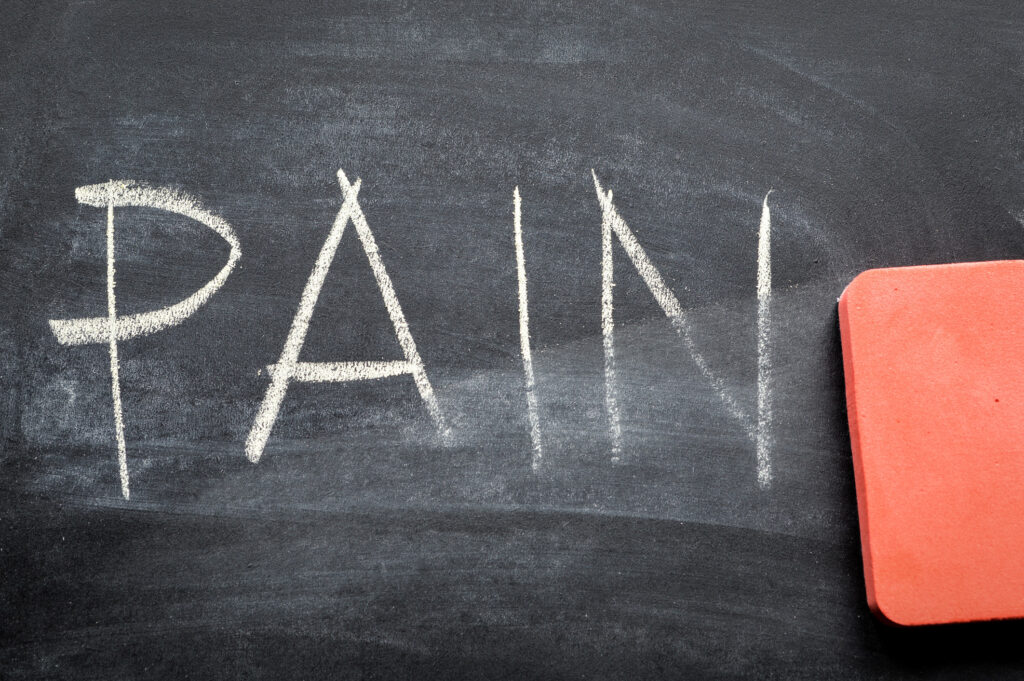
Rehabilitation should shift from a pain-focused approach to a function-focused one. Instead of asking:
- Does this hurt?
- Start asking:
- Can I move better?
- Am I getting stronger?
- Is my capacity improving?
Because long-term recovery is built on function, not just symptom relief.
Passive Treatment is not the Full Solution
Another common issue is relying too heavily on passive treatments.
Hands-on physiotherapy, dry needling, or machines can absolutely help, especially for short-term pain relief. They can reduce sensitivity, improve comfort, and create a window to move better.

But here’s the problem: They don’t create lasting change on their own.
Without active rehabilitation such as:
- targeted strength training
- balance and control work
- progressive loading
The body has no reason to adapt. And without adaptation, symptoms tend to come back.
Passive treatment can support rehab, but it should never replace it.
Consistency Beats Intensity
Consistency is another key factor that people underestimate. Doing the right exercises once or twice is not enough. Real progress comes from repeated exposure and gradual progression. Skipping sessions or stopping as soon as pain decreases often leads to recurring problems.
Think about this: 3 years from now, you who has been exercising consistently versus you who hasn’t done anything.
A pretty obvious answer you would have: it’s all about how we can get started and how we can sustain it.
Lastly, many people try to manage rehab without proper guidance. While general exercises can be helpful, they are not always specific to your condition or goals. Poorly targeted rehabilitation can delay recovery or even make things worse.
Effective rehabilitation is not about doing less. It’s about doing the right things consistently and progressing over time. If you focus on building capacity, improving movement, and following a structured plan, you’re far more likely to achieve long-term results.
References:
- Laura Kiesel: Lessons from a chronic pain management program
- Yolanda van Vugt: Active vs Passive Treatment. Which is Better?
- Dr. Intekhab Mujibi: The Power of Consistency in Shaping Success!