
Prevention, recovery and returning to the game
Soccer is one of the most physically demanding sports, requiring constant sprinting, cutting, jumping, tackling and rapid changes of direction. Because of these movements, an ankle injury from soccer is one of the most common injuries seen in players of all ages and skill levels by sports physiotherapists.
Whether you’re a junior player, a weekend warrior or competing at a high level, understanding ankle injuries and seeking early treatment can help you recover faster and reduce the risk of long-term problems.

Why is an Ankle Injury from Soccer so common?
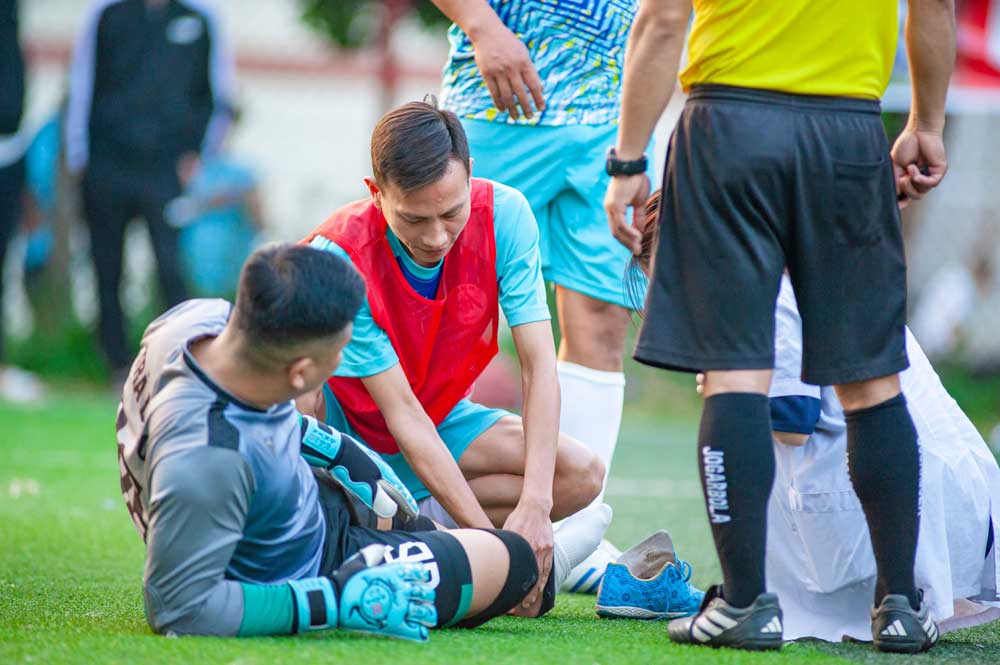
Unlike many other sports, soccer places repeated stress on the ankles through running, pivoting, landing from headers and physical contact with opponents. An ankle injury in soccer can occur during tackles, awkward landings or when the foot rolls inward while changing direction.
Although ankle injuries can happen year-round, our sports physiotherapists typically see an increase during the winter soccer season, when players return after the off-season without proper preseason exercises, fields become wetter and more slippery, and training and match intensity increase.
Common Soccer Ankle Injuries
Lateral Ankle Sprains
This is by far the most common ankle injury in soccer. It occurs when the foot rolls inward, stretching or tearing the ligaments on the outside of the ankle. Symptoms often include pain, swelling, bruising and difficulty weight-bearing.
High Ankle Sprains (Syndesmosis Injuries)
Less common but usually more severe than a standard ankle sprain, high ankle sprains involve the ligaments connecting the two lower leg bones. These injuries often occur when the foot is forced outward while planted and typically require a longer rehabilitation period before returning to sport.
Achilles Tendinopathy
Repeated sprinting, acceleration and deceleration can overload the Achilles tendon, causing pain and stiffness around the back of the heel. This injury is often related to training load, reduced calf strength or limited ankle mobility.
Ankle Impingement
Players who have experienced repeated ankle sprains may develop pinching pain at the front of the ankle during kicking, squatting or pushing off. Without appropriate rehabilitation, ongoing stiffness and instability can contribute to this condition.
Can an Ankle Injury in Soccer be prevented?
Although not every injury is preventable, many ankle injuries can be significantly reduced through appropriate preparation and training. Evidence shows that players who regularly perform balance exercises, single-leg stability work and lower limb strength training experience fewer ankle sprains throughout the season.
A good prevention program should include:
- Balance and proprioception exercises
- Calf strengthening
- Single-leg hopping and landing drills
- Agility and change-of-direction training
- Progressive return to running after previous injuries
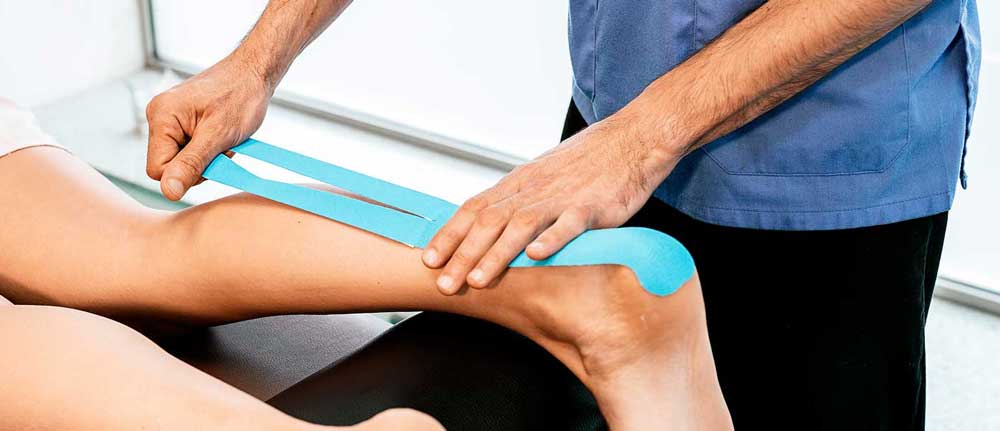
Players with a history of ankle sprains may also benefit from taping or bracing during training and matches, particularly early in their return to sport.
How Sports Physiotherapists help
Many players assume an ankle sprain simply needs rest. However, returning too early or failing to restore strength, balance and confidence significantly increases the risk of reinjury.
Sports physiotherapy will assess not only the injured ankle, but also the contributing factors that may have led to the injury, including strength deficits, mobility restrictions, running mechanics and overall movement patterns.
Treatment may include:
- Pain and swelling management
- Hands-on therapy to restore mobility
- Progressive strengthening exercises
- Balance and proprioception retraining
- Running and agility progression
- Sport-specific return-to-play testing
The goal isn’t simply to reduce pain, but to help you return to soccer safely, perform confidently and minimise the chance of future injuries.
When should you see a Sports Physiotherapist?
If your ankle remains swollen, painful, unstable or you’re unable to return to running within a reasonable timeframe, it’s worth having it assessed. Even seemingly minor sprains can lead to ongoing instability if not managed properly.
Early assessment allows an accurate diagnosis, appropriate rehabilitation and a clear return-to-play plan tailored to your sport and level of competition.
Don't wait until you're injured
One of the biggest misconceptions in sport is that you only need to see a physiotherapist once you’re injured.
In reality, many of the injuries we treat could have been prevented with an early assessment. Small mobility restrictions, strength imbalances, reduced ankle stability or changes in running mechanics often develop long before pain begins. Your body usually gives subtle warning signs before a significant injury occurs.
Think of sports physiotherapy like servicing your car; you don’t wait until the engine fails before getting it checked. Regular movement assessments can identify potential risk factors, allowing you to address them before they become time on the sidelines.
Whether you’re preparing for a new season, returning after a previous injury, increasing your training load or simply wanting to perform your best, a preventative physio assessment can help optimise your movement, improve performance and reduce your risk of injury.
At our clinic, sports physiotherapy is about more than treating pain. We help athletes understand why injuries happen, guide their recovery with evidence-based rehabilitation, and build the strength and confidence needed to perform at their best throughout the season.
If you’re dealing with an ankle injury or want to reduce your injury risk, book an assessment with our team and let us help you stay on the field.