
The Physical Demands of Summer Sport
Summer brings a different rhythm to sport. The days are longer, competitions are in full swing, and athletes often spend more time training, playing and practising outdoors. However, that brings a familiar set of sporting injuries.
Summer sports place specific demands on the body. Repeated jumping, high-speed movements, rotation, throwing and prolonged practice can all create significant physical loads. When those loads exceed what the body is prepared to handle, pain or injury can follow.
Summer Sports Injuries
Each sport has unique movement patterns that affect the typical injuries athletes face. For summer athletes, netball, golf, and cricket exemplify this clearly. For example, a knee may start hurting after multiple netball games. A sore lower back can develop after hours on the golf course or at the driving range. Likewise, a cricket bowler might struggle with back or shoulder pain due to increasing workloads.
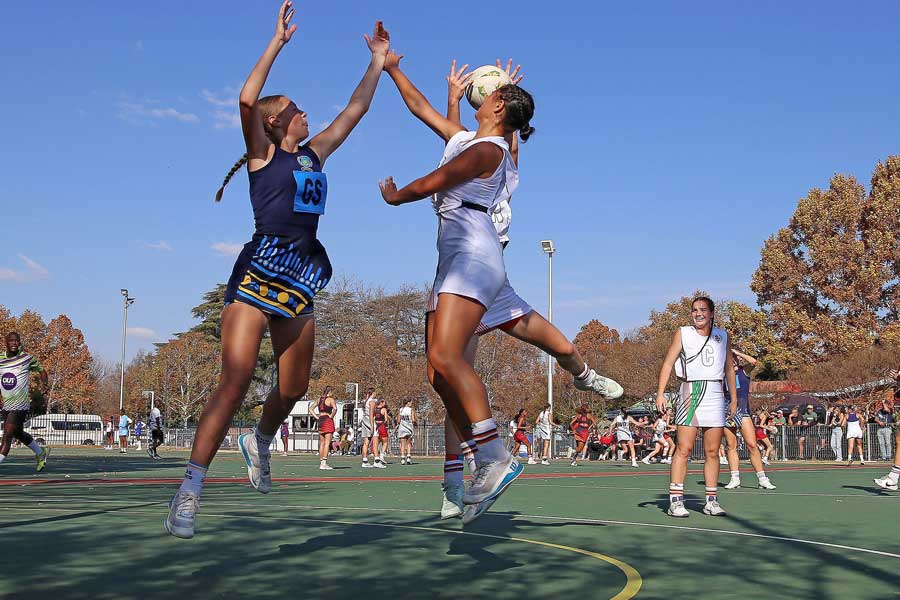
Netball injuries
Netball is a fast-paced sport that requires players to repeatedly jump, land, accelerate, stop, and change direction.
Common netball injuries include:
- Ankle sprains
- ACL injuries
- Patellar tendinopathy
- Knee pain
The lower limbs absorb considerable forces throughout a game. Repeated jumping and single-leg landings increase loading through the knees and ankles, while rapid changes of direction require the player to control their body quickly.
An awkward landing can result in an acute injury, while repeated loading can contribute to gradually developing pain. Fatigue can also become a factor. As a player gets tired, maintaining the same level of movement control and coordination requires more effort, particularly during repeated high-intensity activity.
Golf injuries
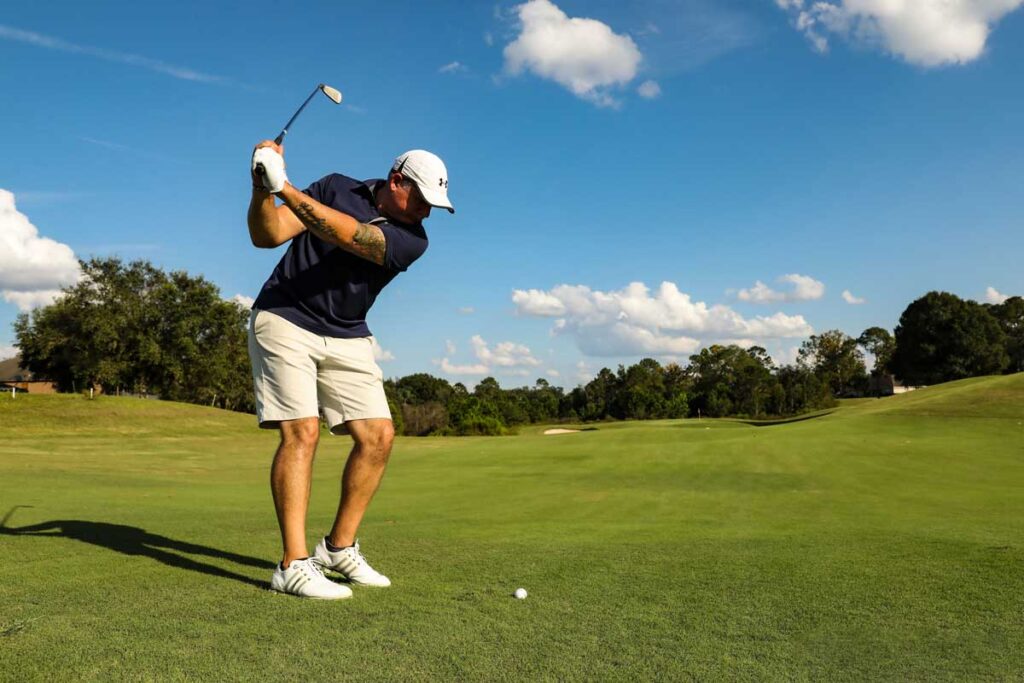
Golf may not appear to be as physically demanding as running-based sports, but a golf swing generates considerable rotational forces through the body. Repetitive rotation is central to the golf swing, and every swing places demands on the trunk, hips and spine as the body rotates and transfers force through the club.
Common golf injuries include:
- Lower back pain
- Golfer’s elbow
- Wrist injuries
- Hip pain
Problems can develop when swing mechanics, physical capacity and practice volume are poorly matched. Spending a long session repeatedly hitting balls can place substantially more load on the body than playing a round of golf alone. The hips and lower back need sufficient mobility and control, while the trunk muscles need to manage repeated rotation.
Cricket injuries
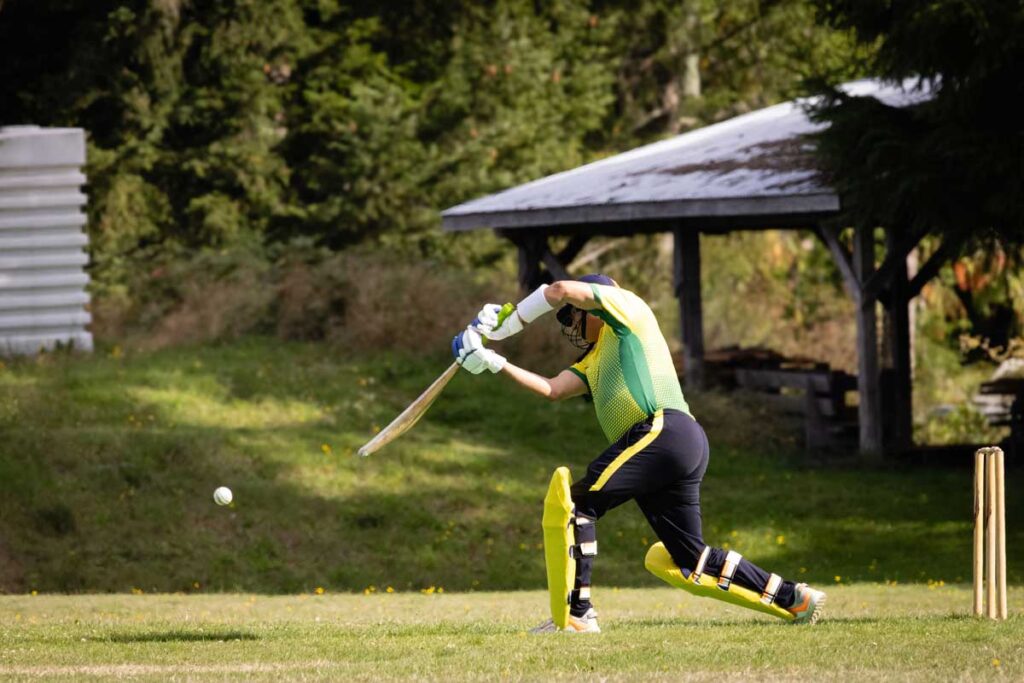
Cricket combines running, throwing, batting and bowling, with some players exposed to particularly high workloads. For young or developing cricketers, managing bowling workload is an important consideration when building physical capacity.
Common cricket injuries include:
- Rotator cuff tendinopathy
- Lumbar stress injuries
- Hamstring strains
- Finger injuries
Bowling can place considerable stress on the shoulder, trunk and lower back, particularly for fast bowlers. Throwing also creates repetitive demands on the shoulder and upper limb, while batting requires repeated rotation and stabilisation through the trunk and hips. Running between wickets and fielding can add further high-speed efforts, including sudden acceleration and deceleration.
Why do Summer Sports Injuries happen?
There is rarely a single reason an athlete becomes injured. Sometimes there is an obvious event, such as an awkward landing or a sudden sprint. In other cases, pain develops gradually because the body is repeatedly exposed to a load it cannot yet tolerate.
High-speed running
Sports requiring fast running involve repeated acceleration, deceleration and explosive force production. The body must absorb force when slowing down and produce force again when accelerating. If an athlete’s strength and conditioning do not meet these demands, muscles and joints can become overloaded.
Jumping and landing
Repeated jumping, single-leg landings and rapid changes of direction increase loading on the knees and ankles. This is particularly relevant to netball, where players may perform these movements repeatedly throughout training and competition.
Repeated rotation
Rotation places high levels of stress on the lumbar spine, pelvis and trunk muscles. Golfers repeatedly rotate during the swing, while cricketers rotate during bowling and batting. The ability to control this movement and recover between sessions is an important part of managing physical load.
Why Sport-Specific Rehabilitation is Important in Sports Physiotherapy
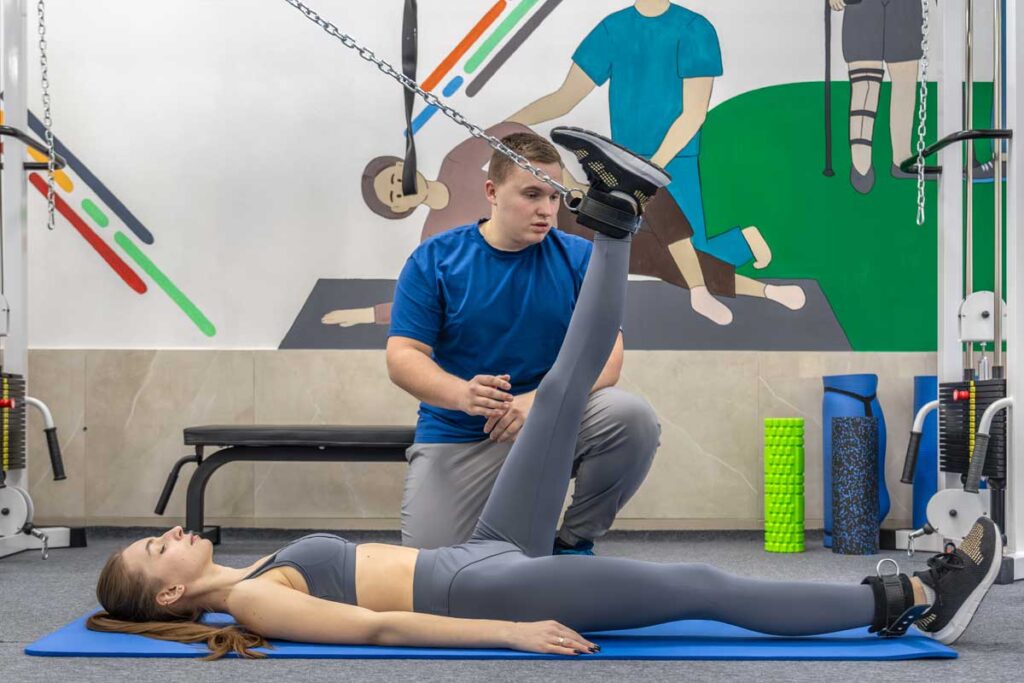
Treating the injured area is only part of getting an athlete back to sport. Effective rehabilitation needs to consider the movements, intensity, and physical demands specific to the sport you play. Sport-specific rehabilitation is an important part of sports physiotherapy, helping athletes progressively rebuild the capacity, strength, and confidence needed to perform safely when they return to training and competition.
Identify the injury mechanism and sport demands
The first step is understanding how the injury occurred and what movements may have contributed to it. The demands of the sport then help determine what needs to be restored.
For a netballer, rehabilitation may prioritise jumping, landing mechanics, single-leg control, knee stability and repeated high-intensity movements. For a golfer, treatment and rehabilitation may address rotational capacity, trunk control and strength, hip mobility and the ability to tolerate repeated golf swings. For a cricketer, rehabilitation may focus on bowling workload, shoulder strength, throwing capacity, lower-limb power, spinal control and strength.
The objective is to prepare the athlete for the movements they actually need to perform.
Restore tissue capacity through progressive loading
A key principle of rehabilitation is progressive loading, which allows the body to gradually rebuild its capacity to handle the demands of sport following an injury.
This may involve restoring:
- Strength
- Power
- Endurance
- Mobility
- Coordination
- Sport-specific skills
The rate of progressive loading will depend on the specific injury and the athlete’s goals. For example, a fast bowler recovering from a lumbar stress injury should not simply move from rest straight back into a full bowling workload. Bowling volume and intensity need to be increased progressively as their physical capacity improves.
Similarly, a golfer recovering from back pain may need to gradually progress from controlled rotational exercises to practice swings and, eventually, to a normal volume of golf.
Address individual risk factors
Rehabilitation should also consider why the injury may have developed in the first place.
Important factors can include:
- Previous injury history
- Sudden changes in training load
- Poor core strength
- Strength deficits
- Poor movement strategies
- Limited mobility
- Recovery habits
- Sleep and nutrition
- Workload management
However, this does not mean every sports injury is preventable. Sport involves unpredictable movements and circumstances, and sometimes injuries simply happen. But identifying factors that can be changed may help an athlete better prepare for future training and competition.
Gradually return to sport
Feeling better is an important milestone, but it does not automatically mean you are ready to compete. Returning to sport should be based on physical readiness as well as symptom improvement.
An athlete should be able to demonstrate:
- Minimal or no pain
- Full range of movement
- Adequate strength compared with the uninjured side
- The ability to complete sport-specific drills
- The ability to tolerate full training intensity
The final stages of rehabilitation with your sports physio should increasingly mirror the sport you are trying to return to, including repeated jumping, landing, and changing direction, trunk rotation, throwing, and sprinting.
Managing Injuries during the Summer Season
It is easy to overlook gradual changes in how your body feels. You might notice a little stiffness after training, some soreness or discomfort. And it is tempting to assume it will settle on its own, and sometimes it does. But persistent or worsening symptoms are worth paying attention to, particularly when they start affecting your technique, training volume or ability to perform normally.
Early assessment from a sports physio can help identify what is contributing to the problem and provide a clearer pathway for managing it before it becomes a bigger interruption to your summer plans.
Getting Back to the Sport You Enjoy
Whether you play netball on the weekend, spend your summer on the golf course, or are working through a demanding cricket season, injuries can be frustrating. The goal of sports physiotherapy rehabilitation is not simply to help you get through your daily activities without pain. It is to rebuild the strength, movement, capacity and confidence you need to return to your sport.
At Health on Grange Physiotherapy, our sports physiotherapists provide sports physiotherapy in Adelaide for athletes of all levels. From ankle and knee injuries in netball to back, elbow, and hip problems in golf, or shoulder, back, and hamstring injuries in cricket, a sport-specific approach with measured, progressive loading can help guide your recovery and return to training.