
What was thought to be a common injury could hide something deeper.
An ankle sprain, hamstring strain or sore knee is something many athletes have either experienced themselves or seen happen to a teammate. But occasionally, an injury can be less obvious.
Some winter sports injuries are relatively uncommon but can still significantly affect your ability to train and compete. Because they may initially feel similar to a straightforward sprain or strain, they can be overlooked. Soccer, football and netball place different demands on the body, so each sport has its own less common injury patterns. Understanding how these injuries occur and why appropriate rehabilitation matters can help athletes take persistent symptoms seriously.
Rare soccer injuries
Soccer involves sprinting, kicking, cutting, twisting and physical contact. While hamstring strains and ankle sprains are far more common, these movements can occasionally result in less familiar injuries.
Osteochondral injuries of the ankle
Osteochondral injuries involve damage to the cartilage and underlying bone within a joint. In the ankle, they can occur following an injury such as an ankle sprain or through repeated loading. An athlete may experience ongoing ankle pain, swelling, stiffness or discomfort during weight-bearing activities. Symptoms that continue longer than expected after an ankle injury should be assessed rather than simply playing through them.
Lisfranc injuries
A lisfranc injury affects the joints and ligaments in the midfoot. It can occur when the foot is twisted or loaded awkwardly, such as during contact or when the foot is planted while the body moves in another direction.
Pain and swelling through the midfoot, particularly when pushing off or putting weight through the foot, can indicate a more significant injury than a typical ankle sprain.
Hip labral injuries
The hip labrum is a ring of cartilage that helps provide stability to the hip joint. Repetitive kicking, twisting and cutting movements can place considerable demands on this area. A hip labral injury may cause deep hip or groin pain, stiffness, clicking or catching during certain movements. As hip and groin pain can have several possible causes, assessment from a sports physiotherapist is important to determine what may be contributing to the symptoms.
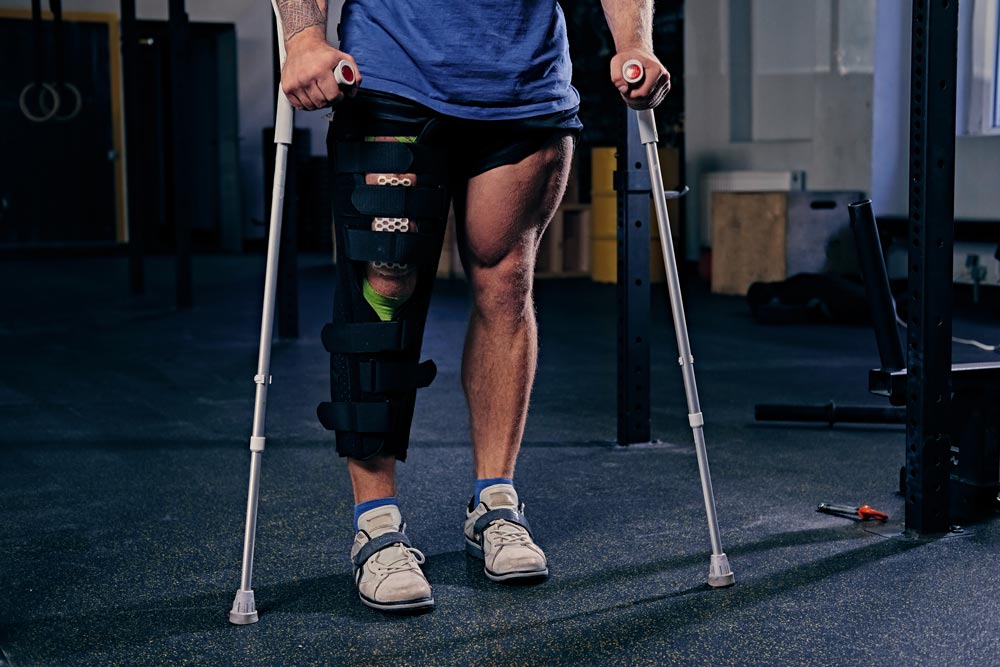
Rare football injuries
Australian Rules football combines high-speed running with tackling, marking contests, jumping, landing and collisions. This physical combination can occasionally result in injuries involving areas that are less commonly associated with sport.
Hamate fractures
The hamate is one of the small bones within the wrist. A fracture can occur following an impact or force transmitted through the hand and wrist. Because footballers regularly catch, carry and handle the ball, persistent hand or wrist pain can interfere with performance. Pain that does not settle as expected following a collision should be assessed by a sports physiotherapist rather than assumed to be a minor knock.
Shoulder instability
The shoulder has a large range of movement, which is important for sporting activities but can also make it vulnerable during collisions, tackles and falls. Shoulder instability can occur when the structures responsible for keeping the joint stable are injured or stretched. An athlete may experience pain or a feeling that the shoulder is slipping, shifting or giving way. Returning to contact sport without restoring adequate shoulder strength and control can increase the risk of further problems.
AC joint injuries
The acromioclavicular, or AC, joint is located at the top of the shoulder. It can be injured when a player lands directly on the shoulder or experiences a forceful collision.
Pain at the top of the shoulder, swelling and difficulty lifting the arm are common symptoms. Rehabilitation should consider the demands of tackling, marking and contact before the athlete returns to full competition.
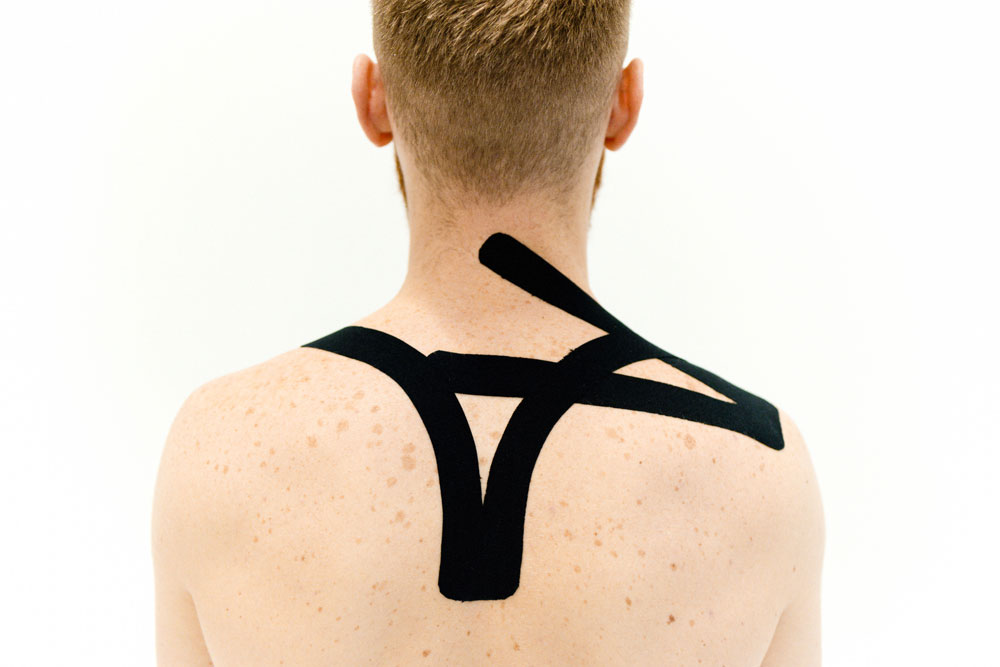
Rare netball injuries
Netball places significant demands on the lower limbs, but the hands and fingers are also constantly exposed to fast-moving passes, catches and sudden forces.
Finger fractures and dislocations
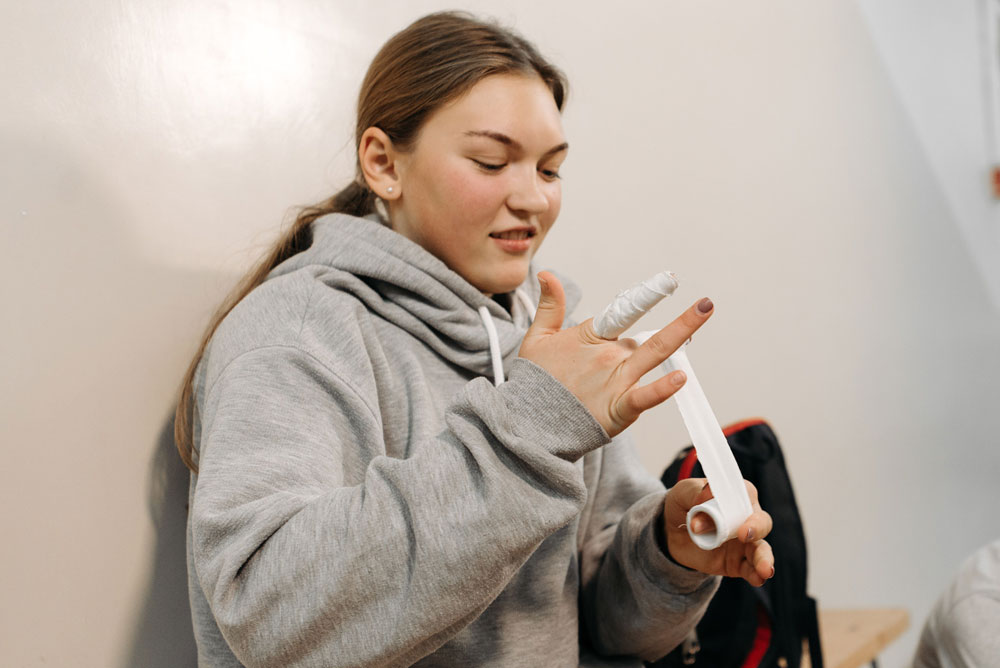
A fast pass can catch a finger in an awkward position, resulting in a fracture or dislocation. It can be tempting to straighten the finger and continue playing, particularly during a high-stakes game. However, significant swelling, bruising, deformity, restricted movement or persistent pain should be assessed.
An appropriate diagnosis by a sports physiotherapist is important because finger injuries can affect movement and function long after the initial injury, possibly hindering you for life.
Thumb ligament injuries
The thumb plays an important role in gripping and controlling the ball. A sudden force through the thumb, particularly when attempting to catch or intercept the ball, can injure the ligaments that stabilise the joint.
Pain, swelling, weakness or difficulty gripping the ball may indicate more than a simple knock. Restoring thumb strength, stability and function is particularly important before returning to normal catching and passing demands.
Why do these Rare Sports Injuries occur?
There is no single cause of rare winter sports injuries because the means depends on both the sport and the specific injury.
Sometimes an injury is simply an unfortunate accident. In other cases, factors such as fatigue, previous injury, changes in training load or inadequate physical preparation may contribute. Understanding how the injury occurred is therefore an important part of rehabilitation.
Why Sport-Specific Rehabilitation Matters
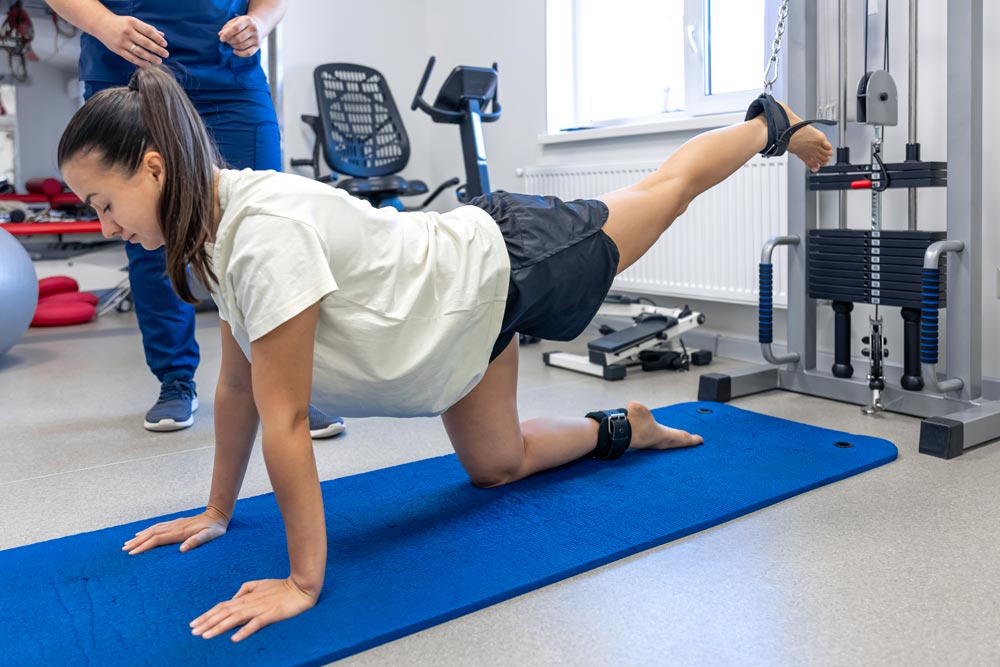
Treating the injured tissue is only one part of returning an athlete to sport, which is why our sports physiotherapists in Adelaide believe that sport-specific rehabilitation is important for recovery.
Identify the injury mechanism and sporting demands
Understanding how the injury occurred provides valuable information about what needs to be addressed. Rehabilitation should also consider what the athlete needs to do when they return to their sport.
Restore tissue capacity through progressive loading
Injured tissues need to gradually regain their capacity to tolerate load. Depending on the injury, this may involve rebuilding strength, mobility, coordination, balance, endurance and power. Loading should be progressed gradually rather than moving directly from rest to full sporting activity.
Address individual risk factors
Rehabilitation should consider factors that may have contributed to the injury or increase the likelihood of another problem. These can include previous injuries, sudden changes in training load, strength deficits, movement patterns and inadequate recovery.
Not every injury can be prevented, but identifying modifiable factors can help athletes better prepare their bodies for the demands of their sport.
Gradually return to sport
Feeling better does not necessarily mean being ready to compete. An athlete should progressively demonstrate that they can tolerate the movements, intensity and volume required by their sport. The final stages of rehabilitation should increasingly resemble the sport itself.
When to have a Rare Sports Injury Assessed?
It is not always possible to know exactly what type of injury you have based solely on your symptoms.
However, certain signs suggest that an injury deserves further assessment. These include pain that does not improve as expected, significant swelling or bruising, obvious deformity, loss of movement or strength, joint instability, persistent pain following an impact, or an inability to return to normal sporting movements.
Trying to “run it off” or play through an injury is not always the best approach. If something does not feel right, having it assessed by a sports physiotherapist can provide a clearer understanding of what is happening and what you should do next.
Getting back to Sport after a Rare Injury
A structured rehabilitation program can provide a clear pathway back to training and competition.
At Health on Grange Physiotherapy, our sports physiotherapists in Adelaide focus on the individual athlete, not just the diagnosis. We consider how the injury occurred, what your sport demands from your body and what you need to be able to do before returning to full training and competition.
Regardless of your winter sport, rehabilitation should ultimately prepare you for the movements and challenges you will face when you return to the field or court.
If you have persistent pain following a winter sports injury, or you are unsure whether an injury is more serious than a simple sprain or strain, contact Health on Grange Physiotherapy to arrange an assessment and find out how sports physiotherapy in Adelaide can help you get back to the sport you enjoy.