
Causes and How to get Back to Your Sport
Winter is a great time to get involved in sport. The cooler weather makes high-intensity exercise more comfortable, local competitions are in full swing, and fields and courts are busy with athletes preparing for the season ahead.
But winter sport can also bring a collection of injuries. A sudden sprint. An awkward landing. A sharp change of direction. A collision that you did not quite see coming. Whether you play soccer, football or netball, winter sports place specific demands on the body. When those demands exceed what your body is currently prepared to handle, unfortunately injuries can occur.
Different sports create different movement demands. As a result, each sport tends to have its own typical injury patterns.
Soccer injuries
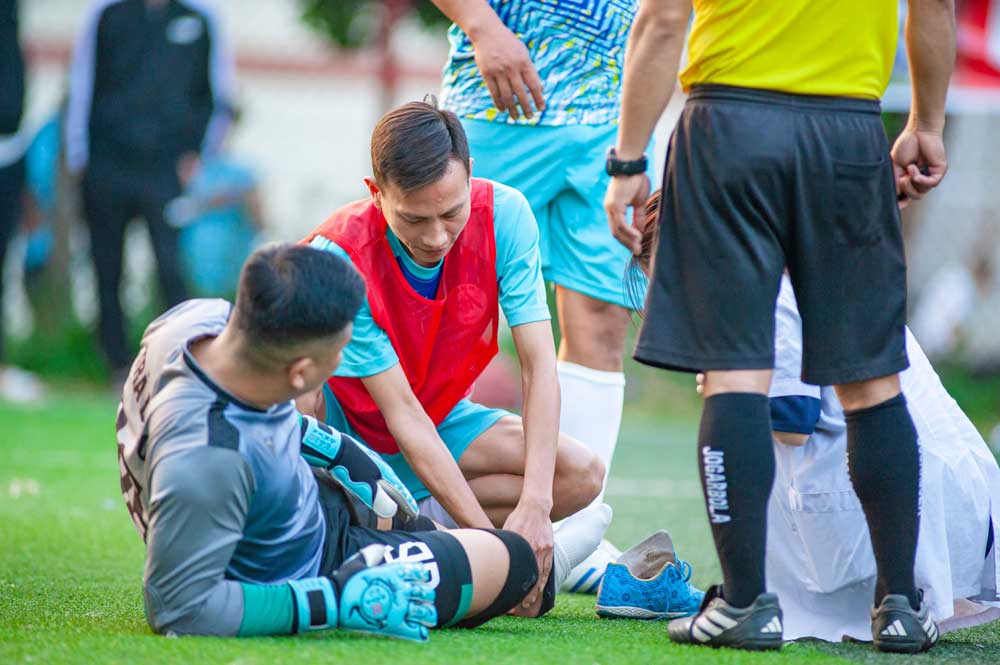
Soccer requires repeated sprinting, rapid acceleration and deceleration, kicking, jumping and frequent changes of direction, all of which place considerable demands on the lower limbs. Many of these injuries occur during high-speed movements. A player may feel a sudden pull in the hamstring while sprinting, roll an ankle while changing direction, or experience groin pain after repeated kicking and twisting.
Common soccer injuries include:
- Hamstring strains
- Ankle sprains
- Groin injuries
- ACL injuries
- Calf strains
Football injuries
Australian Rules football combines high-speed running with tackling, jumping, landing and physical contact. This combination places significant demands on the legs, shoulders and upper body and carries a broad range of potential injuries. A player may strain a hamstring while chasing an opponent, strain a calf during sudden acceleration, or sustain a shoulder injury during a tackle or fall.
Common football injuries include:
- Hamstring strains
- Calf strains
- Ankle sprains
- Shoulder dislocations
- Acromioclavicular (AC) joint injuries
Netball injuries
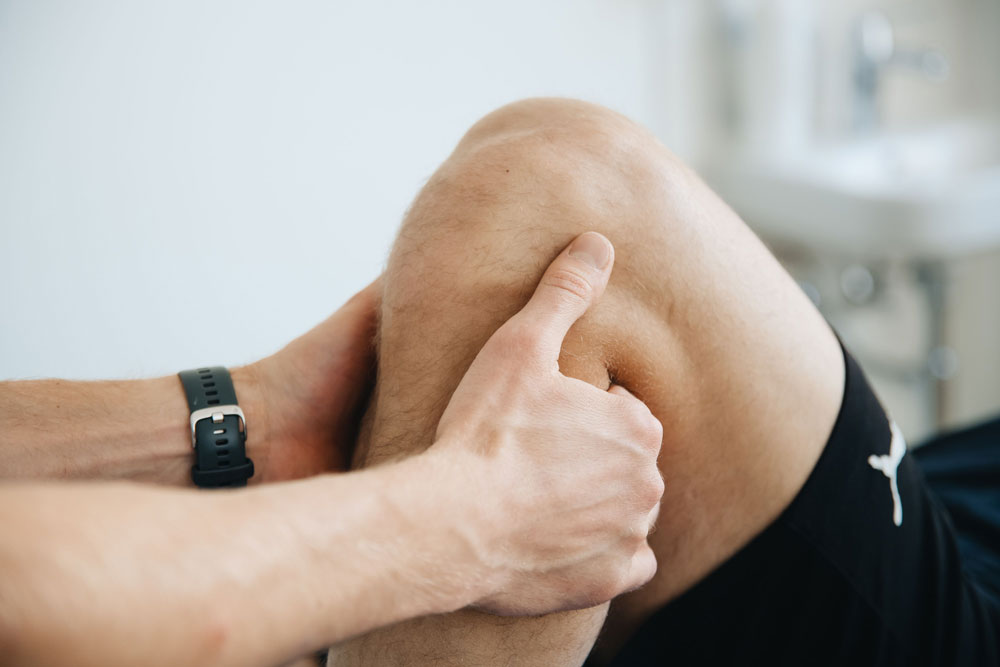
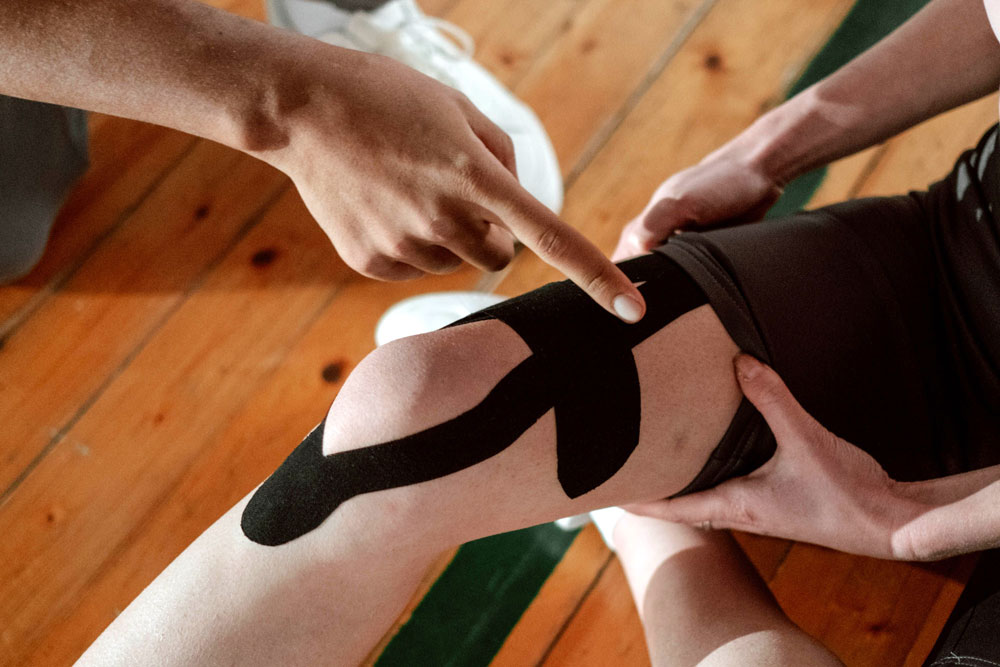
Netball involves frequent jumping and landing, sudden changes of direction and repeated high-intensity movements, which places considerable stress on the knees and ankles. Players also spend much of the game moving through single-leg positions, often while reacting quickly to the movement of other players. The landing is often where problems begin. Poor control, fatigue or an awkward position can place significant stress through the ankle or knee.
Common netball injuries include:
- Ankle sprains
- ACL injuries
- Patellar tendinopathy
- General knee pain
Why Sport-Specific Rehabilitation Matters
One of the most important principles of sports injury rehabilitation is that the treatment should reflect the demands of the sport. A soccer player and a netball player may both have knee pain, but their rehabilitation requirements will not necessarily be the same.
The first step is understanding:
- How the injury occurred
- Which tissues or structures may be involved
- What movements caused the problem
- What demands the athlete needs to return to
- What factors may have contributed to the injury
The goal is not simply to make everyday activities comfortable again. It is to prepare your body for the demands of your sport.
Rebuilding Your Capacity to Perform with Progressive Loading
After an injury, the body needs time and the right type of loading to rebuild capacity. This is where progressive loading rehabilitation becomes important.
Depending on the injury, rehabilitation may gradually restore:
- Strength
- Power
- Endurance
- Mobility
- Coordination
- Balance
- Sport-specific skills
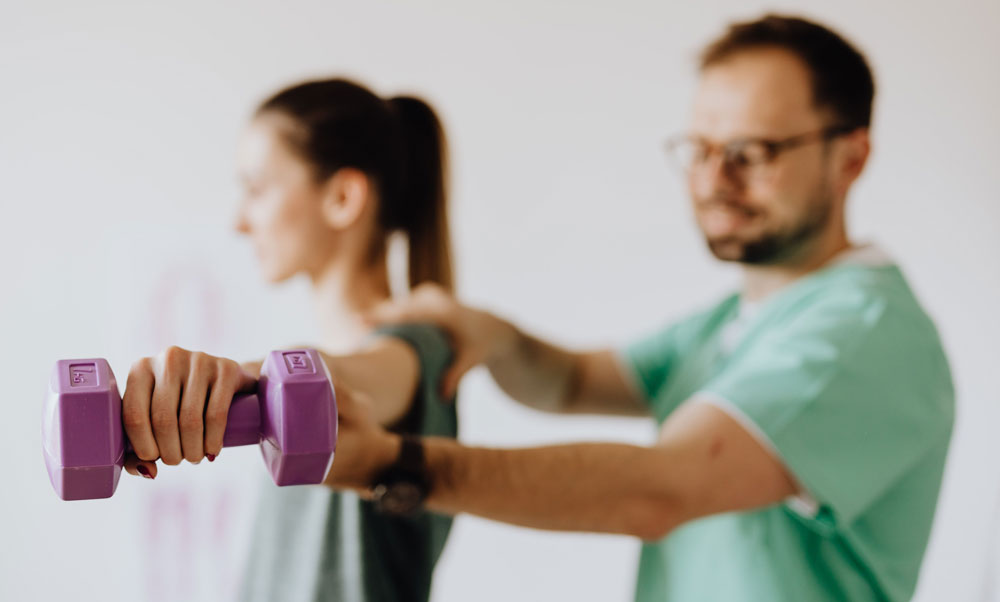
Progressive loading rehabilitation should be individualised to the person and the nature of their injury. Early rehabilitation may focus on basic strengthening and controlled movement. As capacity improves, therapy can progress to faster and more dynamic exercises when appropriate, including sport or task-specific high-speed activities.
The goal is to gradually and systematically increase exposure to the demands the body needs to tolerate.
When Can You Return to Sport?
One of the most common mistakes athletes make is returning based solely on how they feel. Pain is an important consideration, but it is not the only measure of readiness.
Before returning to full sport, an athlete should ideally be able to demonstrate:
- Minimal or no pain
- Full or near-full range of movement
- Appropriate strength compared with the uninjured side
- The ability to complete sport-specific drills
- The ability to tolerate the intensity and volume required during training
The final stages of rehabilitation should increasingly resemble the sport itself, and we must emphasise that this is why a gradual return to sport is so important.
Being able to walk without pain does not necessarily mean your body is ready for a full game.
How Sports Physiotherapy Can Help with a Winter Sports Injury
Whether you have suffered an acute injury or are dealing with gradually developing pain, sports physiotherapists can help assess the problem and develop a structured recovery plan.
Health on Grange Physiotherapy provides sports physiotherapy in Adelaide for athletes of all levels, from competitive players to weekend warriors. Our approach is not simply to treat the area that hurts. We look at how the injury happened, what your sport requires of you, what needs to improve before you can safely return to play, and what you can do to prevent it from happening again.
Your treatment may include a combination of:
- Hands-on therapy
- Strength and conditioning exercises
- Progressive loading
- Movement and biomechanical assessment
- Sport-specific rehabilitation
- Education around training and recovery
- A structured return-to-sport plan
The exact approach depends on the injury and the individual, and there is no single “one-size-fits-all” rehabilitation program that is right for every athlete.
Get the right plan for your recovery
Whether you have rolled your ankle playing netball, strained your hamstring during a soccer sprint or injured your shoulder playing football, the right rehabilitation can help you move towards a safe and confident return to sport.
At Health on Grange Physiotherapy, our sports physiotherapists work with athletes across Adelaide to understand the injuries, restore physical capacity, and prepare their bodies for the demands of their sport.
If you are looking for sports physiotherapy in Adelaide after a winter sports injury, contact Health on Grange Physiotherapy to book an assessment and start working towards getting back to the sport you love.